




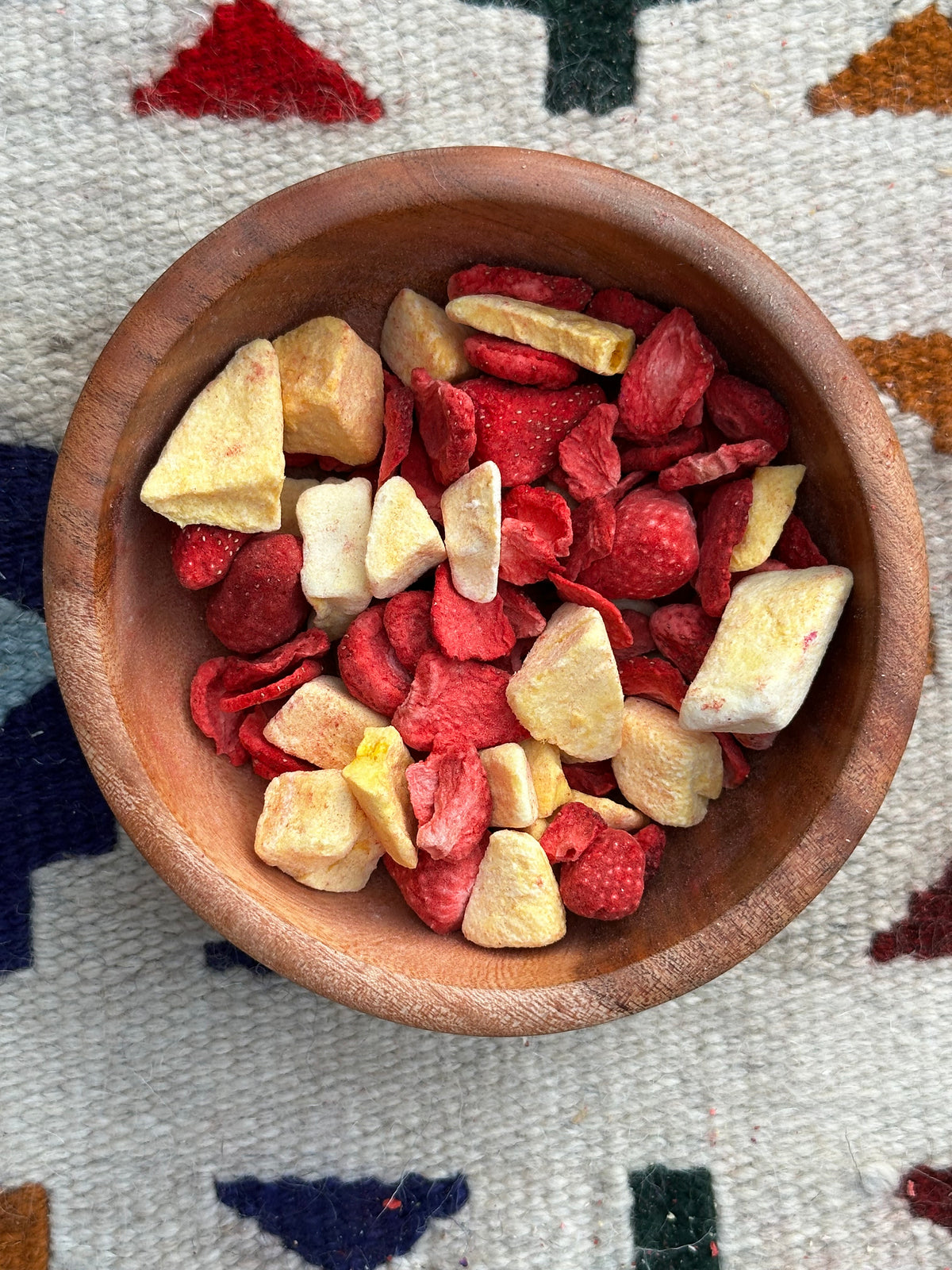
If you love mangoes, dried mango is an excellent snack choice. Not only is it delicious, but it also comes with numerous health benefits. Dried mango nutritional value becomes more concentrated when it’s dried, meaning it packs many vitamins and minerals that can help boost your health. Let’s dive into what makes this sweet treat so beneficial for your body.
What is the Complete Dried Mango Nutritional Value?
Not many people consider dried mango to be anything more than a sweet snack, but it actually holds a surprising amount of nutritional value. Because the water is removed, all the nutrients get packed into a smaller, denser piece of fruit.
|
Nutritional Aspect |
Details |
|---|---|
| Calories per 40 g | A typical 40-gram serving contains between 130 and 150 calories. |
| Carbohydrates | Most of that comes from natural fruit sugars like fructose, with about 30 grams of carbohydrates. |
| Fiber | Around 2 to 3 grams of fiber to support digestion and satiety. |
| Vitamins | Carries a beneficial dose of vitamin A for vision, immunity, and skin health. |
| Minerals | Potassium and calcium are present in smaller amounts. |
| Better option tip | If you want to avoid added sugars, freeze-dried versions like those from Reefna are a better option. |
Calories, Vitamins, and Minerals in Dried Mango
- The dried mango nutritional value is pretty high in calories because all the water gets removed, so the natural sugar becomes super concentrated.
- Just a small handful, like 4 or 5 slices, can easily hit around 130 calories.
- It does have a beneficial amount of vitamin A, which helps with your eyesight, skin, and immune system.
- Vitamin C is still there, but less than in fresh mango because of the drying process.
- You’ll also get a bit of vitamin E, which is great for your skin and works as an antioxidant.
- In terms of minerals, there’s a decent amount of potassium, which is good for your heart and muscles.
- You’ll find tiny amounts of iron and copper too, which help with blood health.
- There’s no fat or cholesterol, so it’s not a bad snack at all.
- It also has some fiber, which helps with digestion and keeps you feeling full.
- Just be careful; it’s delicious, and it’s easy to overeat without realizing it.
How Does Dried Mango Nutrition Compare to Fresh Mango Nutritionally?
- Fresh mango is water-rich. Fresh mango is over 80% water, while dried mango nutrition has nearly all of its moisture removed. That shift changes everything: calories, sugar, nutrients, and even how full you feel.
- Calorie density increases dramatically. A 40 g portion of dried mango typically has 130–150 calories, while the same weight of fresh mango has less than 70.
- Natural sugars become concentrated. Dried mango has approximately 25–30 g of sugar per 40 g, compared to about 13–14 g in fresh mango. It’s all naturally occurring, but the concentration matters, especially for people managing blood sugar.
- Vitamin stability varies. Vitamin A (as beta-carotene) remains relatively stable through drying, but vitamin C is highly sensitive to heat and oxygen, so most of it is lost during dehydration.
- Fiber increases per gram. Because dried fruit is more compact, you get more dietary fiber in a smaller serving, which may support digestion and satiety.
- Understanding these shifts helps evaluate the real dried mango nutritional value not better or worse, just different. Choosing between the two depends on your health priorities and how you plan to use them.
The Health Benefits You Get from Dried Mango's Nutritional Profile
You wouldn’t think it, but dried mango nutritional value has more going on than just taste. Because it’s dehydrated, everything left behind is super concentrated, including nutrients.
First, there’s vitamin A. A small serving of dried mango can give you a decent amount of beta-carotene, which your body uses to support eye health and skin repair. People don’t usually expect that from a fruit snack.
Need quick energy? Dried mango delivers. It’s loaded with natural sugars that your body turns into fuel almost immediately.
You also get some fiber. Not a crazy amount, but enough to help with digestion, especially if your diet is low in fruits and veggies.
And let’s not forget: it lasts longer than fresh mango and doesn’t spoil easily. That makes it a practical snack when you’re on the move or when fresh produce isn’t available.
So, the dried mango nutritional value isn’t just about sugar. There’s more behind the chew.
Is Dried Mango Actually Healthy?
|
Key Point |
Explanation |
|---|---|
| Is dried mango healthy? | Yes, dried mango nutritional value can be healthy, but it depends on how you eat it. Many people often ask whether dried mango is healthy. It depends. If you’re eating small portions of unsweetened, naturally dehydrated mango, you’re getting more than just sugar; you’re also getting fiber, vitamin A, and antioxidants. |
| Dried mango benefits | One of the real dried mango benefits is its nutrient density. Without the water, everything becomes more concentrated. A small piece offers beta-carotene (which converts into vitamin A), a little potassium, and plant compounds that help fight oxidative stress. |
| Side effects | That said, it’s easy to overeat. The sweet, chewy texture makes it hard to stop at a few pieces. This is where dried mango side effects can show up, like unintended high sugar intake, especially in sweetened varieties. |
| Is dried mango good for weight loss | Some people ask, is dried mango good for weight loss? It can help reduce cravings when used in moderation. Its fiber content may increase satiety, making it a better option than candy or chips. |
| Portion control | However, portion control is key. Just because it’s fruit doesn’t mean it’s guilt-free. Especially if it’s sweetened, the sugar content climbs fast. |
| Final verdict | So, is dried mango healthy? Yes, if it’s natural, unsweetened, and eaten mindfully. Like any dried fruit, it’s best used as a complement to a balanced diet, not a substitute for fresh produce. |

How to Choose the Healthiest Dried Mango: Sweetened vs. Unsweetened?
|
Key Point |
Explanation |
|---|---|
| Check the ingredients label first. | The healthiest dried mango products should list only one ingredient: mango. If you see added sugar, preservatives like sulfur dioxide, or flavorings, you’re not getting a natural product. |
| Choose unsweetened varieties. | Sweetened dried mango can contain up to 40g of sugar per serving. That’s more than many desserts. Unsweetened dehydrated mango offers natural sweetness without unnecessary additives and better supports your health goals. |
| Look for “no sulfur” or “no preservatives” labels. | Sulfites are often added to preserve color but may cause headaches or allergic reactions in sensitive individuals. This is one of the lesser-known dried mango side effects. |
| Texture and color are clues. | Natural unsweetened dried mango is often darker in color and a bit tougher to chew. Bright orange, soft slices often mean added sugars or processing. |
| Is dried mango healthy when sweetened? | Not really. Added sugar reduces dried mango benefits and turns it into more of a treat than a functional snack. |
| Unsweetened dehydrated mango is your best option. | It delivers nutrients and fiber without overwhelming your body with sugar. If you're asking if dried mango healthy, go for unsweetened and keep your portions reasonable. |

Freeze-Dried Fruits Collection
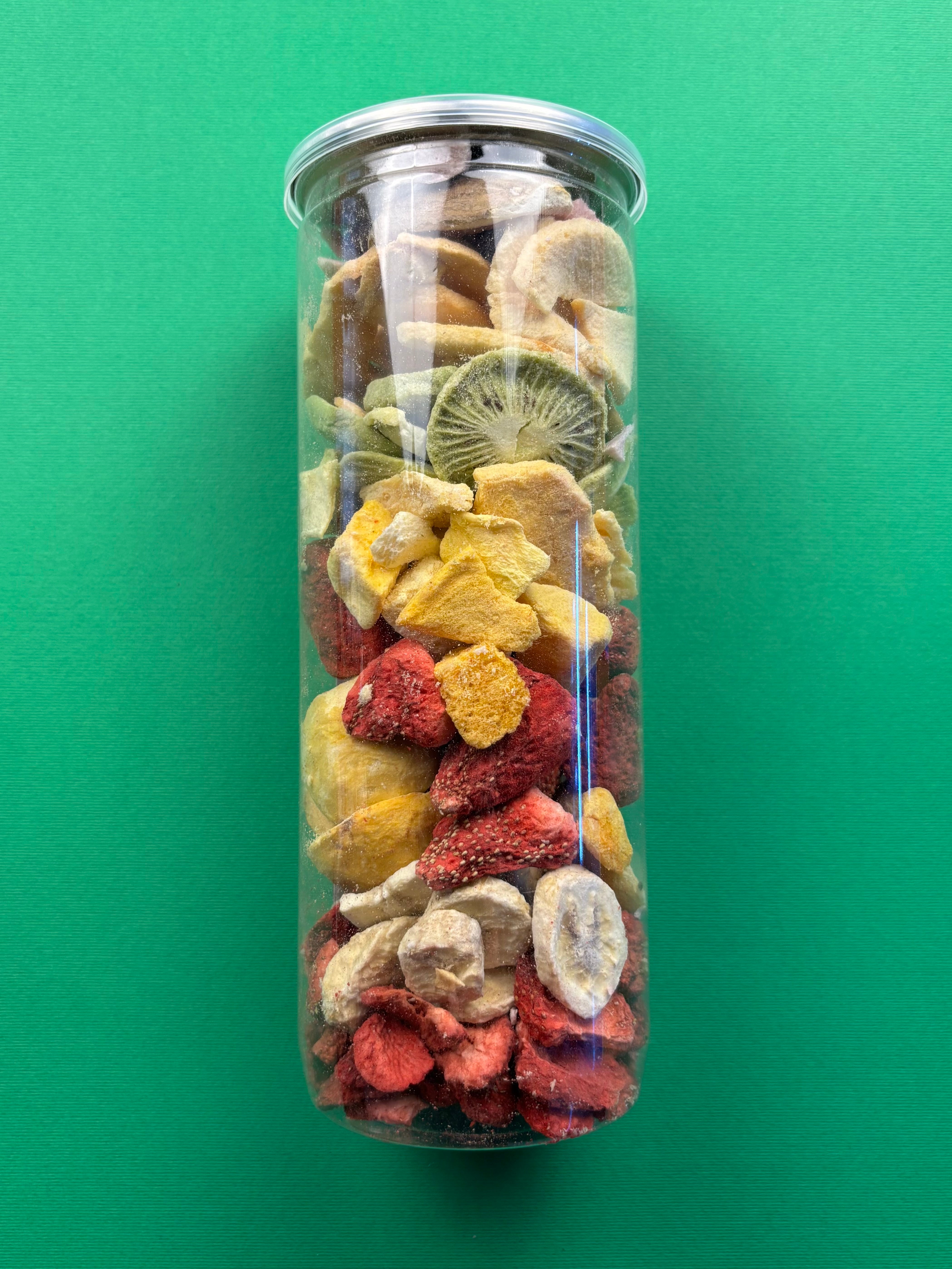
Enjoy the pure taste of nature with our freeze-dried fruits. Perfectly preserved to keep all the flavor, nutrients, and crunch in every bite a healthy snack you can enjoy anytime.
Shop NowDried Mango Benefits for Different Health Goals:
- If you're looking for a quick energy boost before a workout or a long walk, dried mango benefits might actually help. It's packed with natural sugars your body can burn fast. Athletes sometimes use a small portion of dehydrated mango as part of their carb-loading.
- The fiber in dried mango isn’t massive, but it’s there. A few strips can help keep things moving and might reduce that sluggish, bloated feeling after heavy meals.
- Some people don’t eat enough fruits that support eye and skin health. Here’s where the dried mango benefits come in it has beta-carotene, which turns into vitamin A. That’s a plus for skin regeneration and vision.
- Need a healthy snack for the office? Unsweetened dried mango holds up well and doesn’t need refrigeration.
- For weight goals, it’s a mixed bag. Is dried mango beneficial for weight loss? If you watch your portions, it can curb sweet cravings. But eat too much, and you might quickly hit one of the dried mango side effects: high sugar and calories.
Allergies, Side Effects, and Who Should Avoid Dried Mango
|
Key Point |
Explanation |
|---|---|
| Mango allergies aren’t common, but they do exist. | Some people develop mild itching or swelling in the mouth after eating mango, including the dried mango version. This is usually linked to a sensitivity to urushiol, a compound also found in poison ivy. It’s more likely if you’re allergic to cashews or pistachios. |
| Preservatives can cause side effects. | Some dehydrated mango products use sulfur dioxide or other sulfites to preserve color and extend shelf life. These additives may cause asthma-like symptoms, especially in sensitive individuals. This is one of the lesser-known dried mango side effects. |
| Blood sugar impact is real. | Even unsweetened dried mango is high in natural sugars. That means it can raise blood glucose quickly, which isn’t ideal for people with diabetes or insulin resistance. Monitoring portion sizes is critical in these cases. |
| Not suitable for all diets. | If you're on a low-carb or ketogenic diet, dried mango may not be the best fit. One small serving can have over 25 grams of carbohydrates even without added sugar. |
| So, is dried mango healthy for everyone? | Not really. It’s a nutrient-rich snack, but people with specific health conditions should approach it carefully or consult a healthcare provider first. |
Storage and Freshness
- Dried mango nutritional value should be stored in an airtight container. Once opened, exposure to air increases the chances of it becoming sticky, overly soft, or even moldy over time.
- Avoid warm or humid places. A kitchen counter near a window might seem fine, but heat and humidity can spoil the fruit faster.
- If your environment isn’t too hot, there’s no need to refrigerate. However, refrigeration can help maintain crispness and prevent sugar crystallization in some dehydrated mango products.
- Reseal after each use. Forgetting to close the bag properly is one of the quickest ways to ruin texture and flavor. Resealable pouches or glass jars work best.
- Watch for spoilage signs. A sour smell, unusual stickiness, or visible mold are all signs it’s time to toss it.
- Once opened, try to finish within 2–4 weeks. That’s when dried mango tastes its best—sweet, chewy, and full of natural aroma.
Reefna's Premium Freeze-Dried Mango
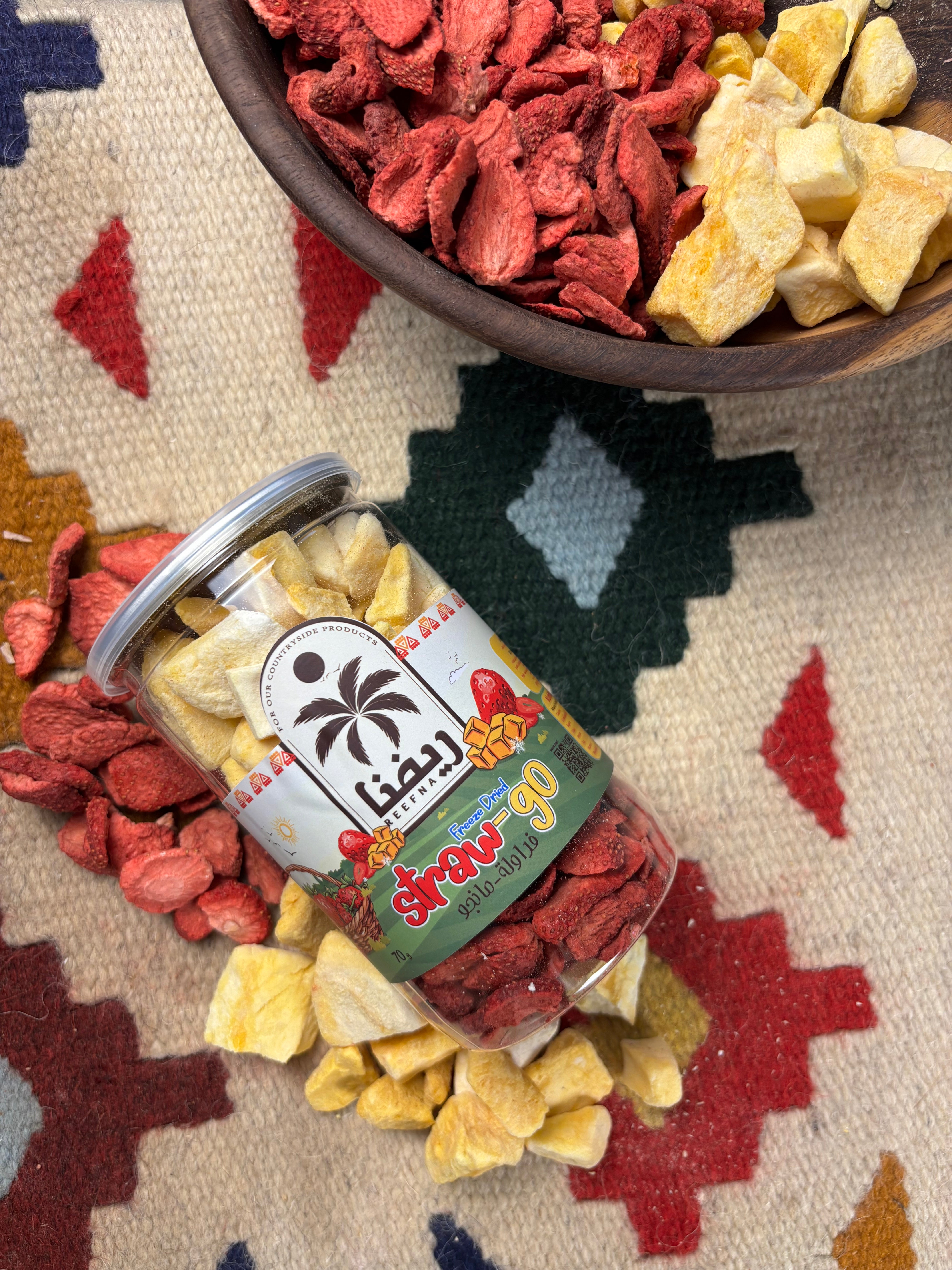
The moment you bite into Reefna’s freeze-dried mango, you notice something different. It’s not chewy or sticky; it’s crisp, light, and intensely fruity.
This texture isn’t just pleasant; it’s the result of careful freeze-drying, a process that retains much more nutrition than typical drying methods.
Unlike regular dried mango packed with sugar or sulfites, Reefna uses zero additives. You’re eating just the fruit, in its purest form.
One serving gives a natural dose of vitamin A, fiber, and antioxidants, making it more than just a snack.
The shelf life is impressive, too. No need for artificial preservatives; the resealable pouch keeps it fresh for months.
For parents, the food makes an ideal lunchbox option. For athletes, it’s clean fuel. For busy professionals, it’s a guilt-free desk snack.
Reefna also caters to those with dietary restrictions: it’s gluten-free, vegan, and contains no added sugars.

Fru Dip Collection
Indulge in our Fru Dip collection fresh, flavorful, and irresistibly delicious. Perfect for any occasion, these treats bring a burst of taste in every bite.
Shop NowConclusion
Many people enjoy dried mango nutritional value because it’s convenient and naturally sweet. When it’s made without added sugars or preservatives, like the options offered by Reefna, it can be a good way to get some fiber and vitamins like A and C. But it’s still a concentrated fruit, which means there’s a lot of sugar in a small portion. If you’re watching your blood sugar or following a specific diet plan, checking the label is always smart. Some types, especially freeze-dried ones like Reefna’s, retain more nutrients. As with most snacks, dried mango fits best in a balanced diet.
FAQs
What's dried mango exactly?
It's just regular mangoes that have been dried to remove the water. The flavor gets stronger and sweeter, and the texture becomes chewy.
Is dried mango considered healthy?
If you're eating the natural kind without added sugar, then yes. It’s packed with vitamin A and fiber, but don’t overdo it—it’s still high in natural sugar.
Does it have any side effects?
Too much dried mango can upset your stomach or spike your blood sugar. One handful is usually enough.
Is dried mango high in sugar?
Yes, even the unsweetened version. Drying fruit concentrates the sugar, so always check the label.
Is dried mango a nutritious snack for diabetics?
It's tricky. It can raise blood sugar, especially if sweetened. Always ask a doctor first.
Is dried mango beneficial before or after a workout?
Some people like it before a workout for quick energy. Just keep it light—it’s not a protein snack.


