
قد يبدو اختيار الزيت المناسب قرارًا صغيرًا، لكنه يمكن أن يغير طهيك تمامًا. أصبح زيت الزيتون البكر الممتاز الخيار المفضل للأشخاص الذين يهتمون بالطعم والصحة. يبرز استخدام زيت الزيتون البكر الممتاز للطهي كيف يمكن لمكون بسيط أن يجعل الوجبات أخف، وأكثر لذة، وأكثر تغذية. من السلطات إلى الأطباق المشوحة، يثبت باستمرار قيمته كأكثر من مجرد دهون للطهي.
هل زيت الزيتون البكر الممتاز للطهي؟
زيت الزيتون البكر الممتاز (EVOO) آمن وممتاز للطهي. تؤكد الدراسات العلمية أن EVOO هو في الواقع واحد من أكثر الزيوت استقرارًا وصحة عند تسخينه. لديه نقطة دخان مرتفعة نسبيًا حوالي 400°F (204°C)، مناسبة لمعظم طرق الطهي بما في ذلك التشويح، والقلي، والشواء، والخبز.
هل زيت الزيتون البكر الممتاز نقي؟
- علامة "بكر ممتاز" ليست تسويقًا - إنها معيار صارم.
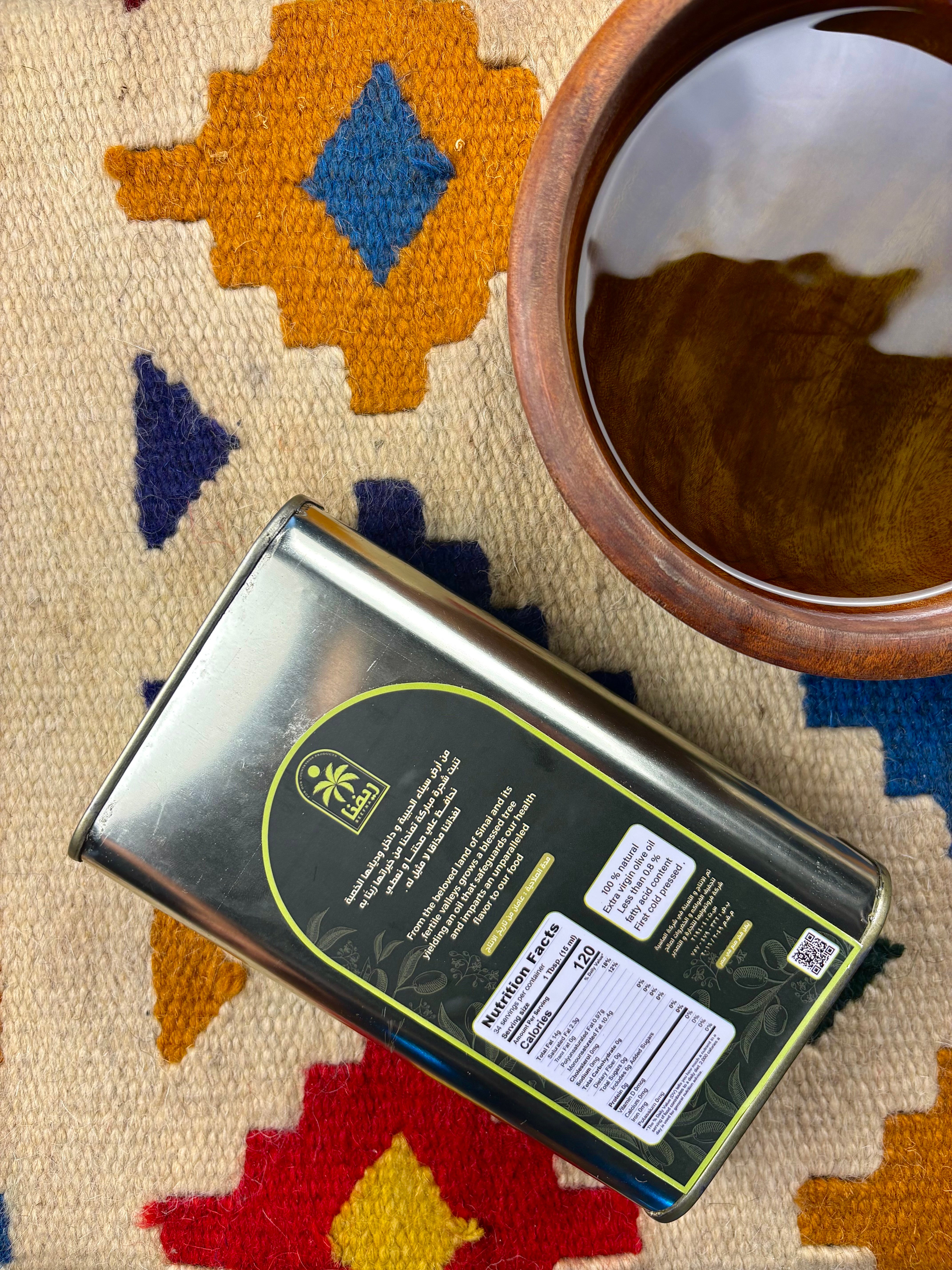
- لكي يتأهل، يجب أن يكون زيت الزيتون معصورًا على البارد، خاليًا من المذيبات، وبحموضة منخفضة جدًا.
- فهل زيت الزيتون البكر الممتاز نقي؟ بالتأكيد. إنه النسخة الأنظف والأكثر طبيعية التي يمكنك شراؤها.
- هذا النقاء يعني أنه يحتفظ بمركبات قيمة مثل البوليفينولات وفيتامين E.
- هذه هي أساسيات فوائد زيت الزيتون البكر الممتاز للطهي، بما في ذلك حماية أفضل للقلب وتأثيرات مضادة للالتهابات.
- من بين استخدامات زيت الزيتون البكر الممتاز، النقاء هو ما يسمح له بالعمل بشكل جيد في الأطباق النيئة مثل السلطات وفي الوجبات المطبوخة.
- يسأل الكثير من الناس أي زيت زيتون هو الأفضل للطهي والقلي. الجواب: زيت الزيتون البكر الممتاز للحرارة المتوسطة، والزيوت المكررة للقلي على درجات حرارة عالية جدًا.
- بفضل درجة حرارة الطهي الموثوقة لزيت الزيتون البكر الممتاز، فإنه مستقر بما يكفي للشواء والتشويح.
- في كل مقارنة بين زيت الزيتون وزيت الزيتون البكر الممتاز للطهي، يكون النقاء هو الفرق الذي يميزه.
فهم الفرق: زيت الزيتون البكر الممتاز، البكر، وزيوت الزيتون:-
|
نوع زيت الزيتون |
الوصف |
|---|---|
| زيت الزيتون البكر الممتاز | زيت الزيتون البكر الممتاز غير مكرر ومعصور على البارد، مما يجعله الخيار الأكثر نقاءً ونكهة. لديه معايير جودة صارمة، بما في ذلك الحموضة المنخفضة. لهذا السبب فإن استخدامات زيت الزيتون البكر الممتاز خاصة جدًا - إنه الزيت الذي تريده عندما يكون الطعم والصحة مهمين. يذكر الأطباء والطهاة على حد سواء فوائد زيت الزيتون البكر الممتاز في الطهي، من الدهون الصديقة للقلب إلى الحماية من الأكسدة. درجة حرارة الطهي لزيت الزيتون البكر الممتاز تجعله آمنًا للشواء، والقلي الخفيف، والتشويح. إذا قارنت زيت الزيتون بزيت الزيتون البكر الممتاز للطهي، فمن الواضح: زيت الزيتون البكر الممتاز يقدم نقاءً، وتغذية، وطعمًا لا يمكن للزيوت المكررة أن تضاهيه. |
| زيت الزيتون البكر | زيت الزيتون البكر هو أيضًا غير مكرر ولكنه أقل كمالًا في الطعم والرائحة. إنه جيد، لكنه ليس استثنائيًا. |
| زيت الزيتون العادي | زيت الزيتون العادي يتم تكريره، وغالباً ما يتم مزجه، ومصمم أكثر للاستقرار من التغذية. لذا، أي زيت زيتون هو الأفضل للطهي والقلي؟ يعمل زيت الزيتون البكر الممتاز بشكل رائع للأطباق على حرارة متوسطة والوصفات الطازجة، بينما الزيوت المكررة أفضل في درجات الحرارة العالية جداً. |
العصر البارد والإنتاج: من البستان إلى المائدة:-
- تعبير "من البستان إلى المائدة" يلتقط حقاً قصة زيت الزيتون البكر الممتاز.
- عندما تصل الزيتون إلى ذروة نضوجها، يتحرك المزارعون بسرعة لعصرها بينما لا تزال طازجة. استخدام العصر البارد يعني أن الزيت يحتفظ بخيرته الطبيعية، دون فقدان الفيتامينات بسبب الحرارة.
- لهذا السبب، زيت الزيتون البكر الممتاز يتعلق بالانتعاش، الطعم هو ثمرة نقية في كل قطرة.
- لأنه لا يتم إضافة أي شيء صناعي، يحتفظ الزيت بالمركبات التي توفر فوائد زيت الزيتون البكر الممتاز للطهي، مثل قوة مضادات الأكسدة والدهون الصحية التي تدعم القلب.
- من الشائع أن يسأل الطهاة المنزليون، أي زيت زيتون هو الأفضل للطهي والقلي؟ الحقيقة: زيت الزيتون البكر الممتاز هو الأفضل من حيث النكهة والقيمة الغذائية على حرارة متوسطة، بينما الزيوت المكررة، التي تُنتج بشكل مختلف، أكثر ملاءمة للقلي العميق.
- مع درجة حرارة الطهي الموثوقة لزيت الزيتون البكر الممتاز، يتحمل زيت الزيتون البكر الممتاز بشكل جميل للوجبات اليومية.
- وإذا قارنا زيت الزيتون بزيت الزيتون البكر الممتاز للطهي، فإن الفرق واضح: أحدهما مصمم للاستقرار، والآخر مصنوع من أجل الطعم والصحة.
كيف تختار زيت الزيتون البكر الممتاز عالي الجودة؟
- ليس اسم العلامة التجارية أو سعر زيت الزيتون للطهي هو ما يجعل زيت الزيتون رائعاً؛ بل قدرتك على اكتشاف علامات الجودة الحقيقية.
- يجب أن يذكر زيت الزيتون البكر الممتاز تواريخ الحصاد أو التعبئة. كلما كان طازجاً كان أفضل.
- اختر دائماً الزيت المخزن في زجاجات داكنة، حيث تحمي العناصر الغذائية من الضوء.
- يمكن أن تكشف الرائحة والطعم الكثير. يجب أن تشم رائحة الزيت الطازج مثل الزيتون الأخضر، أو الأعشاب الطازجة، أو حتى العشب المقطوع.
- تشرح هذه الملاحظات الحسية لماذا يبرز زيت الزيتون البكر الممتاز غالباً في الأطباق النيئة حيث تكون الرائحة مهمة.
- كما أن الزيت يوفر فوائد زيت الزيتون البكر الممتاز للطهي مثل المركبات المضادة للالتهابات والدهون الصحية.
- لكن الناس غالباً ما يسألون أي زيت زيتون هو الأفضل للطهي والقلي. زيت الزيتون البكر الممتاز هو الأفضل على حرارة متوسطة، بينما الزيوت المكررة تتحمل درجات حرارة أعلى للقلي.
- درجة حرارة الطهي المستقرة لزيت الزيتون البكر الممتاز تعني أنه يمكنك استخدامه في القلي، والشوي، وحتى الخبز.
- عند مقارنة زيت الزيتون بزيت الزيتون البكر الممتاز للطهي، يثبت زيت الزيتون البكر الممتاز أنه الخيار الأكثر صحة وطعماً في كل مرة.
زيت الزيتون البكر الممتاز بالأعشاب
استمتع بالطعم الغني لزيت الزيتون البكر الممتاز المنقوع بالأعشاب العطرية. مثالي للسلطات، والتتبيلات، والطهي اليومي، يضيف هذا المزيج نكهة وقيمة غذائية لوجباتك.
تسوق الآنماذا تبحث عنه عند شراء زيت الزيتون البكر الممتاز؟
- عند شراء زيت الزيتون البكر الممتاز، فإن بعض التفاصيل تحدث فرقًا كبيرًا.
- تحقق دائمًا من الملصق: يجب أن يذكر بوضوح "زيت زيتون بكر ممتاز" ومن المثالي أن يذكر تاريخ الحصاد أو الضغط. الزيت الطازج دائمًا أفضل.
- التغليف مهم أيضًا، حيث تحمي الزجاجات الزجاجية الداكنة الزيت من الضوء وتحافظ على العناصر الغذائية سليمة.
- الرائحة والطعم هما مؤشرات حقيقية. يجب أن تحتوي الزجاجة الجيدة على نكهات فاكهية، وعشبية، أو لمحات فلفلية خفيفة.
- لهذا السبب يركز زيت الزيتون البكر الممتاز غالبًا على الأطباق النيئة حيث تتألق النضارة.
- اختيار الزيت المناسب يعني فتح فوائد زيت الزيتون البكر الممتاز للطهي، من مضادات الأكسدة إلى الدهون الصديقة للقلب.
- غالبًا ما يسأل الناس، أي زيت زيتون هو الأفضل للطهي والقلي؟ زيت الزيتون البكر ممتاز مثالي للقلي، والشواء، والسلطات، بينما الزيوت المكررة أكثر استقرارًا للقلي العميق.
- مع درجة حرارة طهي آمنة لزيت الزيتون البكر الممتاز، يمكنك طهي معظم الوجبات بثقة.
- وإذا كنت تقارن زيت الزيتون مقابل زيت الزيتون البكر الممتاز للطهي، فإن زيت الزيتون البكر الممتاز دائمًا ما يكون في المقدمة.
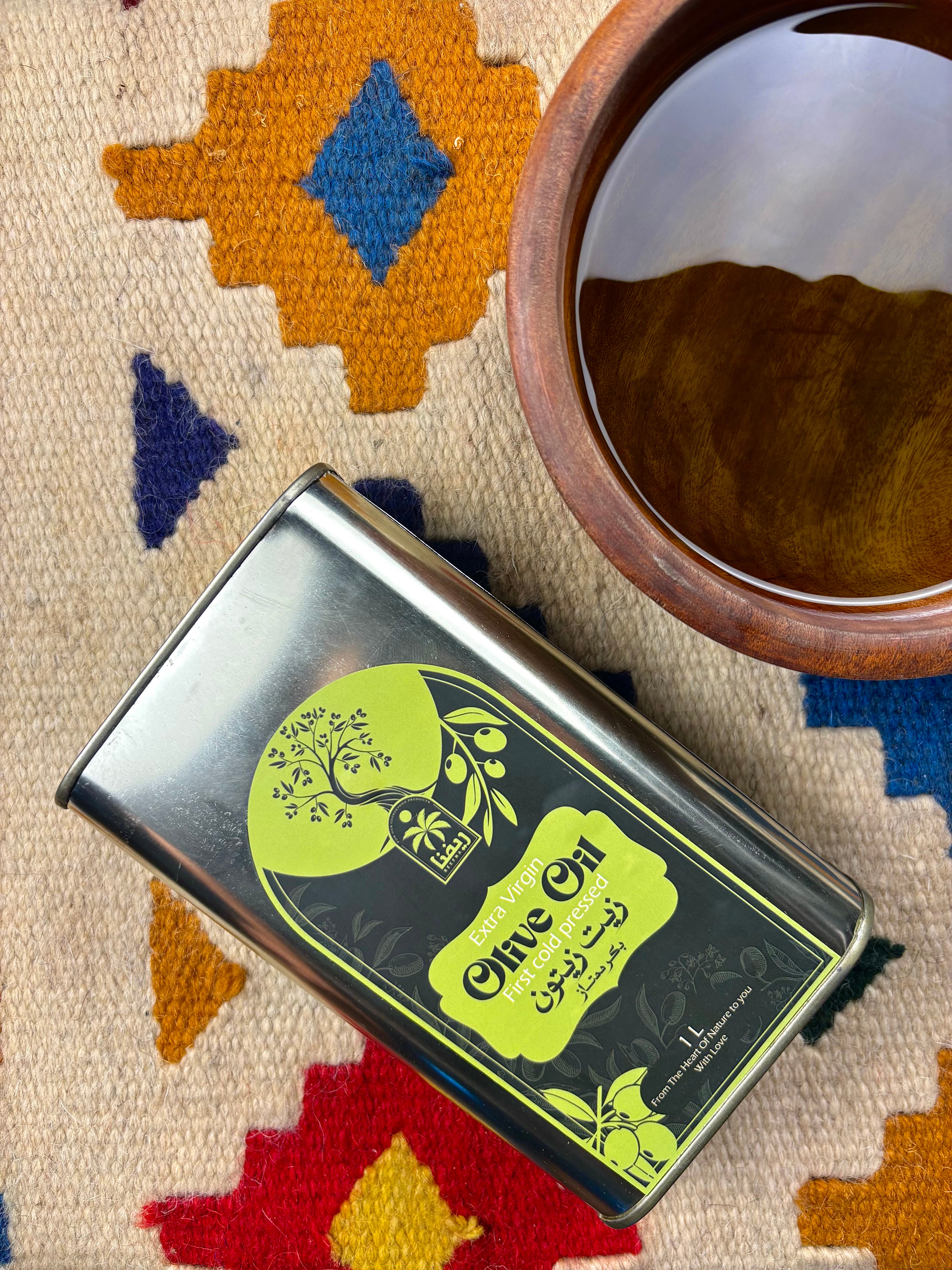
- لخدمة لا مثيل لها، وتغليف فريد، وأفضل زيت زيتون بكر للطهي بتكلفة منخفضة، ريفنا هو الخيار الذكي.
مصادر زيت الزيتون البكر الممتاز المستدام:-
- كل زجاجة من زيت الزيتون لها خلفية، لكن بعضها مصنوع باحترام أكبر للبيئة من غيرها.
- المزارعون الذين يتبعون هذا المسار يحصدون بشكل مسؤول، ويتجنبون المواد الكيميائية القاسية، ويتأكدون من بقاء التربة حية حتى تظل البساتين قوية لعقود قادمة.
- بالنسبة للعميل، يعني ذلك طعمًا أكثر انتعاشًا وجميع العناصر الغذائية التي تدعم فوائد زيت الزيتون البكر الممتاز للطهي. لا تزال تحصل على مضادات الأكسدة والدهون الصحية، وتلك اللمسة الفلفلية المميزة.
- عندما يتساءل الطهاة المنزليون أي زيت زيتون هو الأفضل للطهي والقلي، من المهم ربط النقاط. زيت الزيتون البكر ممتاز للطهي على حرارة متوسطة والسلطات، بينما الزيوت المكررة تتعامل مع القلي العميق.
- مع درجة حرارة الطهي الموثوقة لزيت الزيتون البكر الممتاز، فهو مثالي لمعظم احتياجات المطبخ.
- لذا في مناقشة زيت الزيتون مقابل زيت الزيتون البكر الممتاز للطهي، فإن اختيار زجاجة زيت زيتون بكر ممتاز مستدامة هو أكثر من مجرد قرار طهي - إنه تصويت من أجل طعام صحي وكوكب أكثر صحة.
زيت الزيتون البكر الممتاز
اختبر الطعم النقي للطبيعة مع زيت الزيتون البكر الممتاز الخاص بنا. مثالي للسلطات والطهي أو الغمس، هذا الزيت عالي الجودة يجلب نكهة أصيلة وفوائد صحية لا حصر لها لمطبخك.
تسوق الآنتخزين وحفظ زيت الزيتون البكر الممتاز:-
|
النقطة |
الوصف |
|---|---|
| شراء | شراء زجاجة جيدة من زيت الزيتون البكر الممتاز شيء؛ الحفاظ عليها طازجة شيء آخر. |
| الضوء والحرارة | تدمر الضوء والحرارة ببطء المركبات الدقيقة التي تجعل هذا الزيت مميزًا. لهذا السبب، فإن التخزين يحدث فرقًا كبيرًا. |
| أفضل تخزين | للحصول على أفضل النتائج، ضع زجاجتك في خزانة مظلمة وباردة وأغلق الغطاء بإحكام بعد كل استخدام. تجنب تركها على منضدة المطبخ حيث يمكن أن تصل إليها أشعة الشمس والحرارة. |
| النضارة | من خلال القيام بذلك، ستبقي الزيت طازجًا وتفتح الاستخدام الكامل لزيت الزيتون البكر الممتاز للطهي. |
| فوائد صحية | عند تخزينه بشكل صحيح، يستمر في تقديم فوائد زيت الزيتون البكر الممتاز للطهي مثل مضادات الأكسدة، والنكهة الغنية، والدهون الصحية. |
| التنوع | هذه هي ما تجعل استخدامات زيت الزيتون البكر الممتاز متعددة الاستخدامات—من السلطات إلى القلي الخفيف. |
| اختيار الطهي | وعندما يسأل الطهاة، أي زيت زيتون هو الأفضل للطهي والقلي؟ يعود الجواب إلى الجودة والعناية. يناسب البكر الممتاز الطهي على حرارة متوسطة، بينما الزيوت المكررة أفضل للقلي العميق. |
| درجة الحرارة | بفضل درجة حرارة الطهي الموثوقة لزيت الزيتون البكر الممتاز، عند تخزينه بشكل صحيح، فإنه لا يخيب الأمل أبدًا. |
| المقارنة | في النقاش الطويل حول زيت الزيتون مقابل زيت الزيتون البكر الممتاز للطهي، فإن النضارة من خلال التخزين الصحيح هي ما يبقي البكر الممتاز في القمة. |

ما هي فوائد زيت الزيتون البكر الممتاز للطهي؟
|
النقطة |
الوصف |
|---|---|
| لذيذ وصحي | فوائد زيت الزيتون البكر الممتاز للطهي من تلك المكونات التي تجعل الطعام لذيذًا وصحيًا. |
| المغذيات | على عكس العديد من الزيوت، فإنه مليء بالبوليفينولات، وفيتامين E، والدهون الصحية التي تدعم صحة القلب. لهذا السبب يبرز خبراء التغذية استخدام زيت الزيتون البكر الممتاز للطهي في الأنظمة الغذائية المتوازنة. |
| التحكم في السعرات الحرارية | رشة من هذا الزيت تضيف نكهة دون الحمل غير الصحي من الزبدة أو الدهون المعالجة. بالنسبة لأي شخص يراقب وزنه، إنه فوز سهل. |
| استخدامات الطهي | من بين الاستخدامات المختلفة لزيت الزيتون البكر الممتاز، يبرز الطهي—الشواء، القلي السريع، أو حتى الخبز الخفيف. |
| درجة حرارة الطهي | بفضل درجة حرارة الطهي الآمنة لزيت الزيتون البكر الممتاز، يمكنك استخدامه في الوصفات اليومية دون قلق. |
| الأفضل للطهي والقلي | وعندما يسأل الناس، أي زيت زيتون هو الأفضل للطهي والقلي؟ الجواب الصادق هو البكر الممتاز للطعم والصحة، والزيوت المكررة للقلي العميق. |
| المقارنة | في النقاش الطويل حول زيت الزيتون مقابل زيت الزيتون البكر الممتاز للطهي، البكر الممتاز هو الفائز الواضح. |
| القيمة | مع التعبئة الجيدة والأسعار العادلة من ريفنا، فإنه الخيار الأكثر ذكاءً لأي مطبخ. |
ما هو استخدام زيت الزيتون البكر الممتاز للطهي؟
- هل زيت الزيتون هو الأفضل للطهي والقلي؟ إذا كانت الصحة والطعم هما أولوياتك، فإن البكر الممتاز هو الخيار الأفضل.
- إن استخدام زيت الزيتون البكر الممتاز للطهي يجلب نكهة لا تضاهى وفوائد صحية مهمة. إنه مليء بمضادات الأكسدة والدهون الصحية، مما يجعله خيارًا أذكى للأنظمة الغذائية التي تراقب السعرات الحرارية. مجرد رشة يمكن أن تحل محل الزبدة أو الصلصات الثقيلة دون إضافة سعرات حرارية غير ضرورية.
- استخدامات زيت الزيتون البكر الممتاز متنوعة مثل السلطات الطازجة، والأسماك المشوية، والمعكرونة، وحتى الخبز. كل طبق يحصل على ترقية غذائية.
- عندما نتحدث عن فوائد زيت الزيتون البكر الممتاز للطهي، فكر في تقليل الكوليسترول، وتحسين الهضم، والطاقة التي تناسب نمط حياة متوازن.
- هل يمكن استخدام زيت الزيتون البارد المضغوط للطهي بأمان؟ بالنسبة للقلي العميق، فإن زيوت الزيتون المكررة تتحمل بشكل أفضل، ولكن مع درجة حرارة الطهي الثابتة لزيت الزيتون البكر الممتاز، فإن الزيت البكر الممتاز يتعامل مع كل شيء تقريبًا.
- في مقارنة زيت الزيتون مقابل زيت الزيتون البكر الممتاز للطهي، وحتى في زيت الزيتون مقابل زيت الزيتون البكر الممتاز للطهي، فإن الزيت البكر الممتاز هو الفائز من حيث النكهة والصحة.
- والجودة مهمة. مع ريفنا، تحصل على زيت ممتاز، وتغليف أنيق، وقيمة ممتازة مثالية لأي شخص يهتم بالصحة والسعر.
الخاتمة
تستحق صحتك خيارات أفضل، واستخدام زيت الزيتون البكر الممتاز في الطهي هو واحد من أذكى الخيارات. سواء كنت تركز على النظام الغذائي، أو توازن السعرات الحرارية، أو ببساطة النكهة، فإن هذا الزيت يقدم كل ذلك. مع فوائد زيت الزيتون البكر الممتاز للطهي - من تقليل الدهون غير الصحية إلى دعم جسمك بمضادات الأكسدة الطبيعية - أنت لا تطبخ فقط، بل تغذي. لا تنتظر التغيير؛ اجلبه إلى مطبخك الآن واستمتع بكل ملعقة بدون شعور بالذنب. للحصول على جودة موثوقة، وتغليف أنيق، وأسعار عادلة، اختر ريفنا فود كمصدر موثوق.

استكشف مجموعة زيت الزيتون لدينا
اكتشف الطعم الغني وفوائد الصحة من اختيارنا المتميز من زيت الزيتون. مثالي للطهي، والتتبيل، وتعزيز أطباقك المفضلة بنكهة البحر الأبيض المتوسط الأصيلة.
تسوق الآنالأسئلة الشائعة
كم من الوقت يبقى طازجًا؟
إذا تم تخزينه بشكل صحيح، فإنه يحتفظ بطعمه وفوائده لمدة 12-18 شهرًا.
هل هو جيد للطهي مع مراعاة السعرات الحرارية؟
بالتأكيد - إنها تحل محل الدهون الثقيلة وتحافظ على الوجبات أخف في السعرات الحرارية.
هل تؤثر التعبئة على الجودة؟
نعم، زجاجات الزجاج الداكنة تحافظ على العناصر الغذائية والنضارة لفترة أطول بكثير.
ما هو الاستخدام الرئيسي لزيت الزيتون البكر الممتاز في الطهي؟
استخدام زيت الزيتون البكر الممتاز في الطهي مثالي للسلطات، والتشويح، والشوي مع الحفاظ على الوجبات صحية.
ما هي الفوائد الرئيسية لزيت الزيتون البكر الممتاز في الطهي؟
يدعم صحة القلب، ويقلل الدهون الضارة، ويضيف نكهة مع سعرات حرارية أقل.
ما هي الاستخدامات الشائعة لزيت الزيتون البكر الممتاز؟
يستخدم في الصلصات، والتتبيلات، والخبز، والشوي، وحتى القلي الخفيف.